Design
We design the work around what's actually going on for you.
01 / DesignFlip →
You've made it this far. Which probably means you're wondering whether this actually works.
Fair question. Here's how we think about leadership development, what we believe makes it stick, and the research we've leaned on while building it.
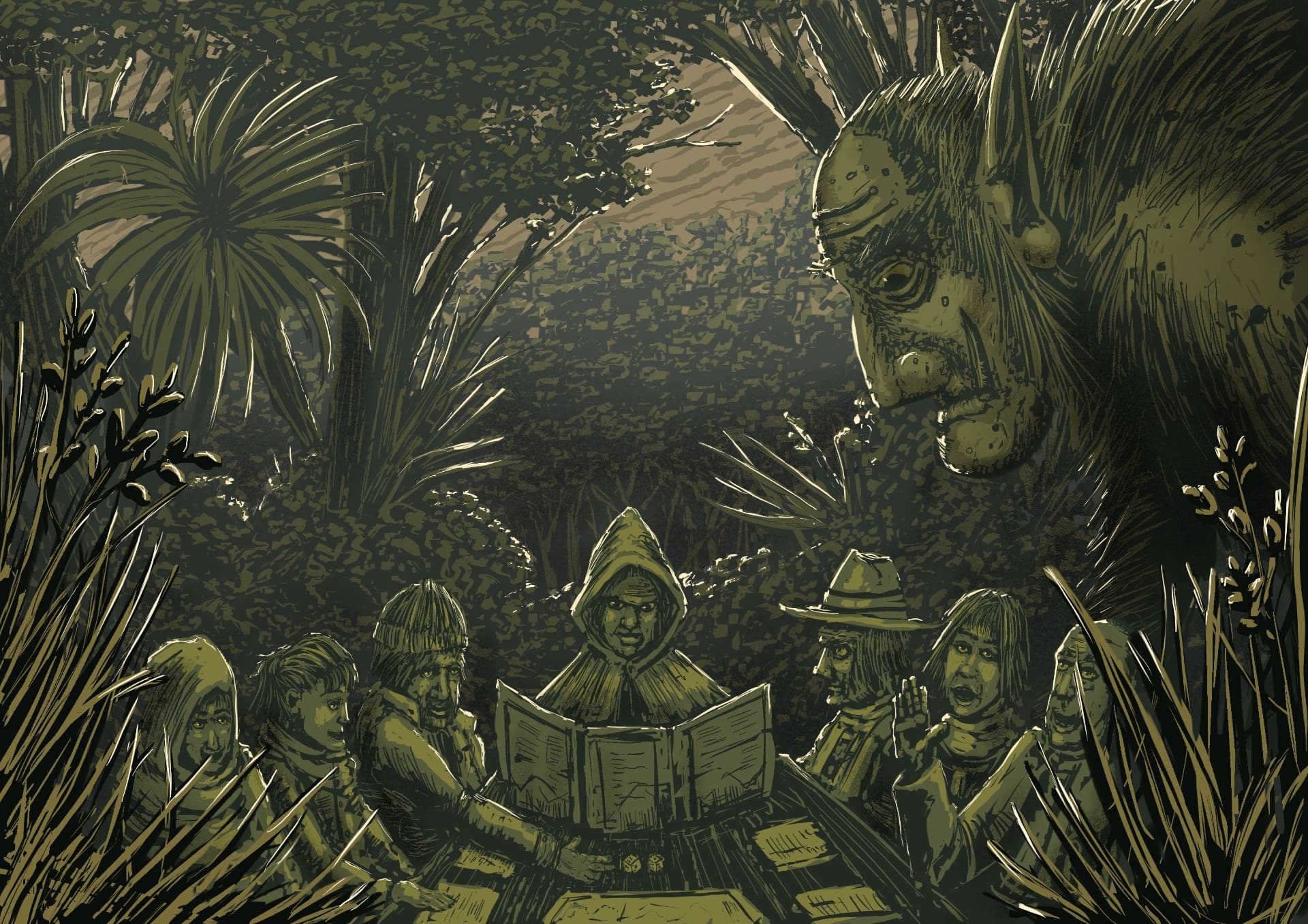
That's not a slogan, it's the conviction underneath every service we run. The Rehearsal Room, the Leadership Canvas, the Audit, the Long Game - they're different shapes, but they all sit on the same idea: you can't learn to lead by being told how to lead. You learn by doing it, watching yourself do it, and getting feedback you can actually use.
Most leadership development gets this backwards. People sit in rooms being lectured at. They take notes. They quote the framework on Slack for a fortnight. Six weeks later, the behaviour's back to where it was. The training itself wasn't wrong. It just wasn't doing the thing that actually changes how leaders behave.
We do.
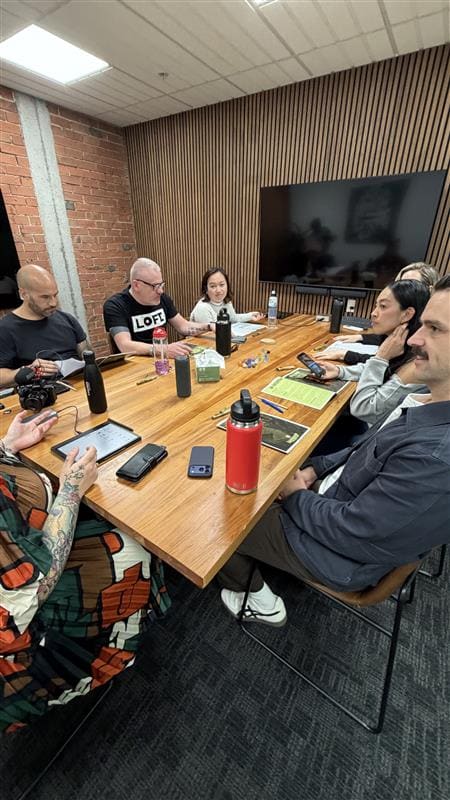
Our founder, Tamara Buckland, talks at DisruptHR about why most leadership development doesn't stick, and what to do instead. Five minutes, one small adventure, an honest pitch for a different way.
We made a five-minute browser game that gives you a tiny taste of how our scenarios feel. No sign-up, no download, no commitment. The Pie Heist is the smallest possible version of what we do.
We've built our approach on a body of research that's been around for decades and continues to be replicated.
When you learn something by doing it - rather than hearing about it, reading about it, or watching someone else do it - your brain processes it differently. Novel, engaging experiences trigger emotional memory and reward systems in ways passive learning simply doesn't.
This is why a lecture about conflict resolution doesn't change how you handle conflict. And why working through a high-pressure scenario, even a fictional one, does.
Most leaders never get to practise the hard stuff before it counts. They learn on the job, in real situations, with real consequences. That's a high-stakes way to develop a skill, and it's why most leaders end up with the same gaps for years.
Simulation-based learning creates a space where getting it wrong doesn't cost anything - which means people are willing to actually try things, push their edges, and see what happens. That's where real learning lives. The same body of research shows that people who regularly engage with novel, uncertain situations build greater adaptability over time, which is itself one of the most reliably useful leadership skills there is.
Experience alone isn't enough. The session that 'feels good in the room' is a familiar pattern in leadership development - a high, then nothing. Without structured reflection, the chance to look at what just happened and connect it to what happens at work, the learning fades.
That's why every Leadership Treehouse session, from the Audit to a Rehearsal Room series, ends with a debrief in some form, whether guided by a facilitator or within the deeper questions we put in our reports. These are key to unlocking further insights and making the learning stick.
Each of these case studies is a story of a leadership team who walked in with a specific problem, and a story of what shifted for them.
We're writing up a handful of recent engagements, with the teams' permission. Check back soon, or book a call and we'll talk you through them in person.
If you want to keep reading, these have been useful for us as we've built our approach.
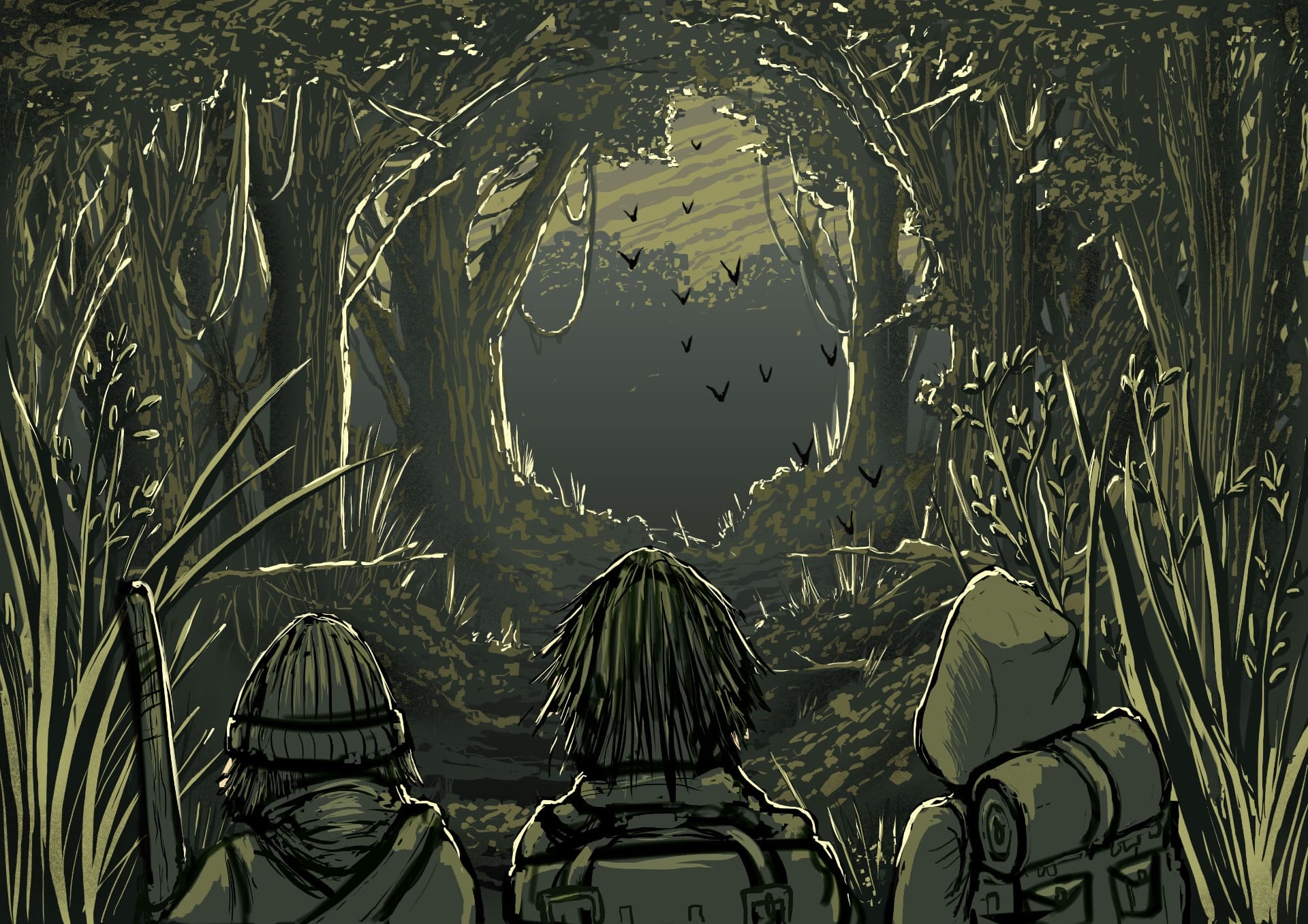
We've had every question that exists about how this works, and we'd rather you ask the awkward one than not book at all. The discovery call is free, 20 minutes, and we'll be straight with you about whether what we do is right for your team.
Book a discovery callNo pitch deck. No "let's circle back." Promise.